Dancing Bears Meaning: The Story Behind the Iconic Grateful Dead Bears
Dancing Bears Meaning: The Story Behind the Iconic Grateful Dead Bears
The Dancing Bears are one of the most recognizable and beloved symbols associated with the Grateful Dead. Bright, colorful, and full of personality, these bears have become a defining part of Deadhead culture. But what do they actually mean—and where did they come from?
In this guide, we’ll break down the history, symbolism, and lasting popularity of the Grateful Dead Dancing Bears.
Origins of the Dancing Bears
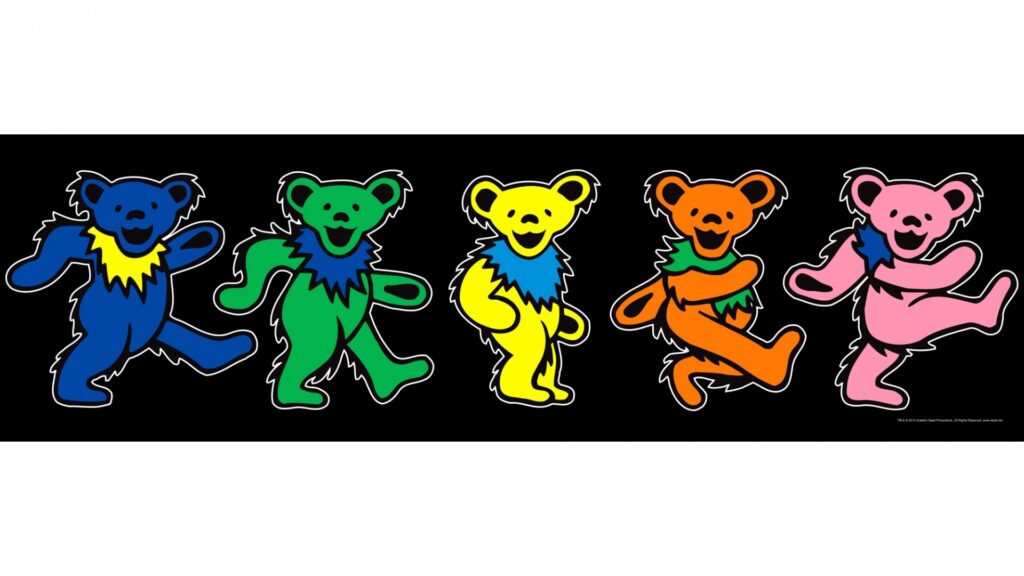
The Dancing Bears first appeared in the early 1970s as part of the artwork connected to the Grateful Dead. Created by artist Bob Thomas, the bears were originally used on the back cover of the album History of the Grateful Dead, Volume One (Bear’s Choice).
The “Bear” in the album title refers to Owsley “Bear” Stanley, a key figure in the band’s history known for his role as a sound engineer and cultural icon.
Are They Actually Dancing?
Despite the name, the bears aren’t technically dancing—they’re marching in a line. However, their playful poses and bright colors give them a lively, dancing appearance, which is how they earned their nickname.
What the Dancing Bears Represent
Unlike the darker skull imagery, the Dancing Bears symbolize the lighter, more joyful side of the Grateful Dead experience.
Key meanings include:
- Joy and celebration
- Music and rhythm
- Freedom of expression
- Community and connection
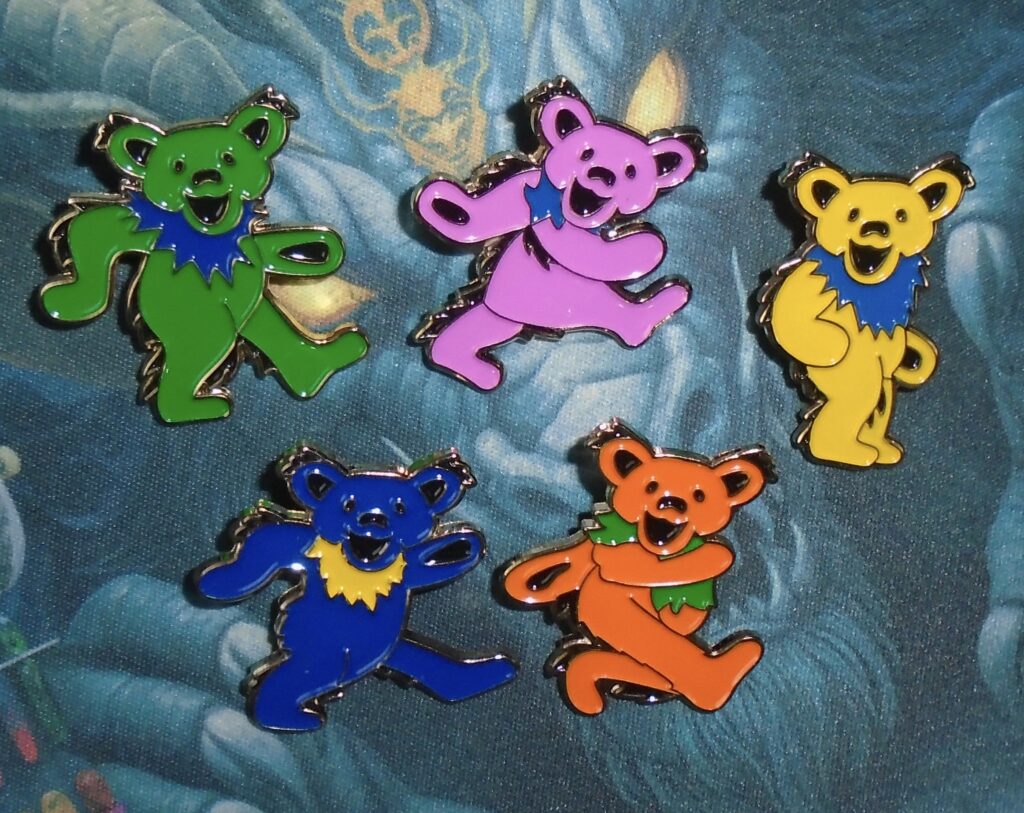
Each bear often appears in a different color, representing individuality within a shared culture.
Why They Became So Popular
The Dancing Bears quickly became a fan favorite for several reasons:
- Instantly recognizable design
- Bright, eye-catching colors
- Positive, upbeat energy
They stand out visually and emotionally, making them one of the most approachable symbols for new fans.
Dancing Bears in Deadhead Culture
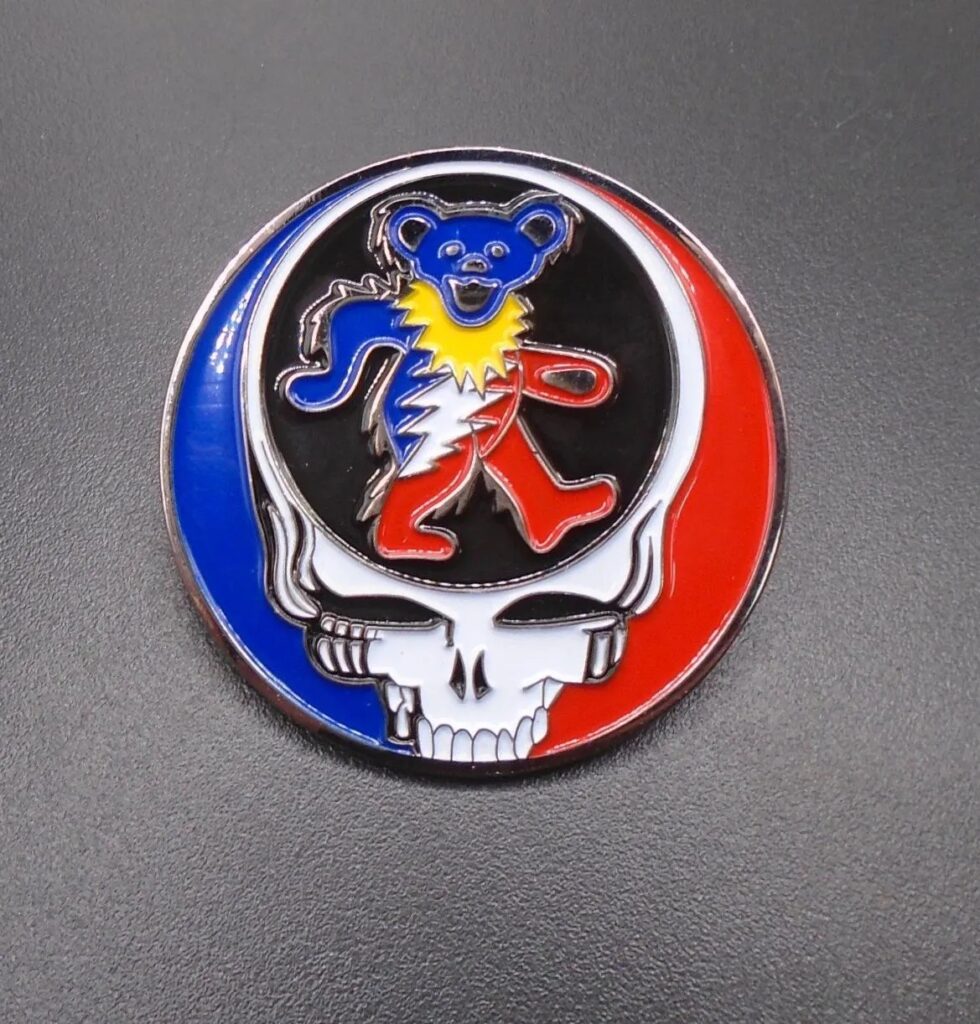
Today, the Dancing Bears are everywhere in Deadhead culture. You’ll see them on:
- Flags
- Stickers
- Clothing
- Patches
- Accessories
They’re especially popular at concerts and festivals, where their colorful designs match the vibrant atmosphere.
👉 Browse Dancing Bear Flags and Accessories to bring that energy into your space.
How Fans Use Dancing Bear Designs
Dancing Bears are incredibly versatile and can be used in many ways:
Room Décor
- Hang a colorful 3×5 flag on your wall
- Pair with LED lighting for a psychedelic effect
Festival Gear
- Carry flags or wear bear designs to stand out in the crowd
Everyday Style
- Add patches or stickers to backpacks and jackets
👉 Shop Grateful Dead Dancing Bear gear to upgrade your setup.
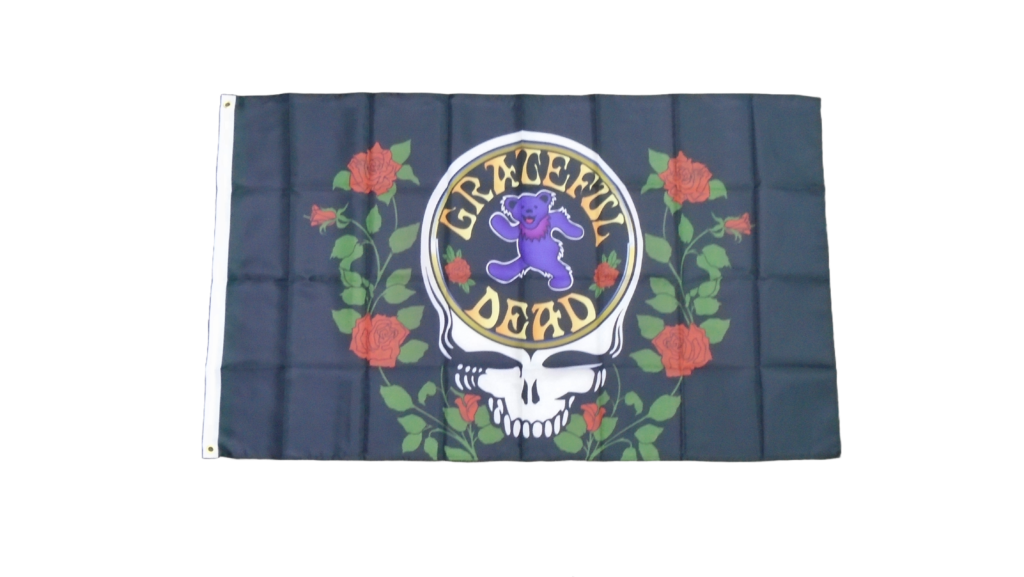
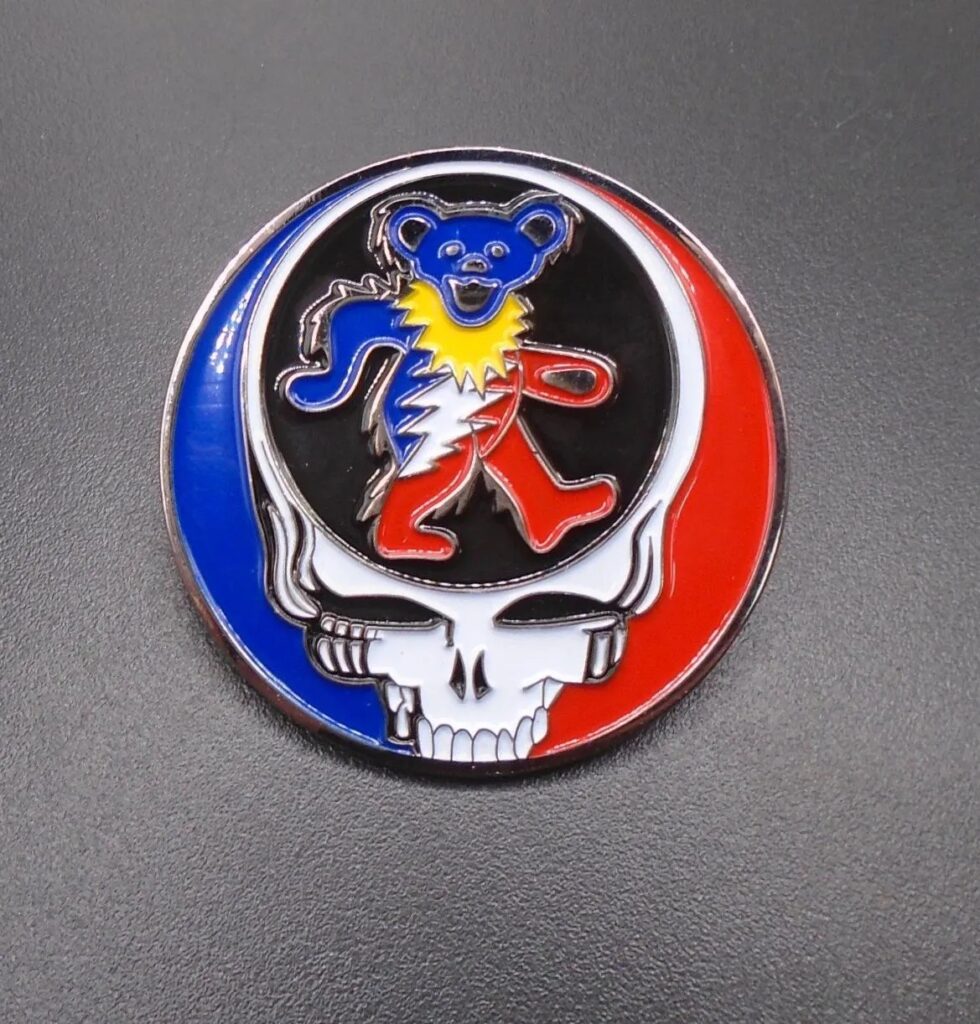
Dancing Bears vs. Steal Your Face Skull
Both symbols are iconic, but they represent different sides of the Grateful Dead:
- Dancing Bears → Fun, color, celebration
- Steal Your Face Skull → Depth, intensity, identity
Many fans combine both for a complete Deadhead aesthetic.
Why the Meaning Still Matters Today
The Dancing Bears continue to resonate because they capture something timeless:
- The joy of music
- The freedom to be yourself
- The connection between fans
They’re not just artwork—they’re a symbol of a shared experience that continues to grow across generations.
Final Thoughts
The Grateful Dead Dancing Bears are more than just colorful characters—they represent the heart and spirit of Deadhead culture. Their playful energy and deeper meaning have made them one of the most enduring symbols in music history.
Whether you’re decorating your space or heading to a show, Dancing Bear designs are a perfect way to express your connection to the music.
Explore Dancing Bear Flags and Gear Now and bring the color of the Deadhead lifestyle into your world.
Wikipedia Says About Dancing Bears
Dancing Bears Meaning: The Story Behind the Iconic Grateful Dead Bears.