Celtic Cross Symbolism: Meaning, History & Ancient Celtic Traditions
Celtic Cross Symbolism: Meaning, History & Ancient Celtic Traditions
The Celtic Cross is one of the most recognizable symbols in Celtic history and spiritual artwork. Combining the traditional Christian cross with an ancient circular design, the Celtic Cross has represented faith, eternity, protection, and heritage for centuries.
Today, Celtic Cross jewelry remains popular among:
- Celtic culture enthusiasts
- gothic fashion fans
- Viking-inspired style lovers
- spiritual jewelry collectors
- alternative fashion communities
Its timeless design blends ancient symbolism with bold medieval aesthetics, making it one of the most meaningful and visually striking symbols still worn today.
At There Be Skulls, Celtic and Norse-inspired jewelry continues this tradition through gothic, Viking, and fantasy-inspired accessories.

What Is a Celtic Cross?
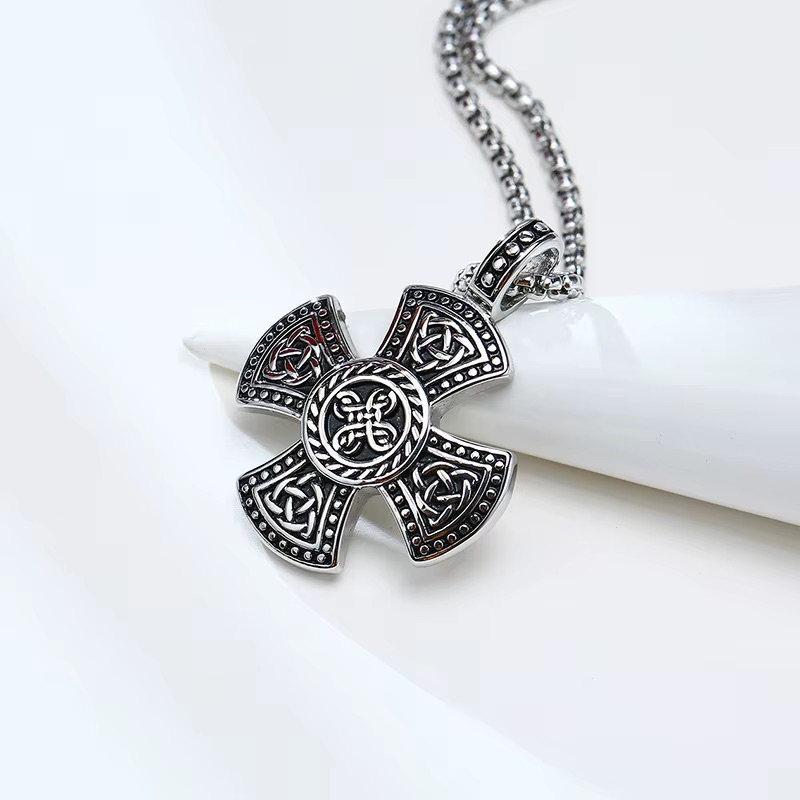
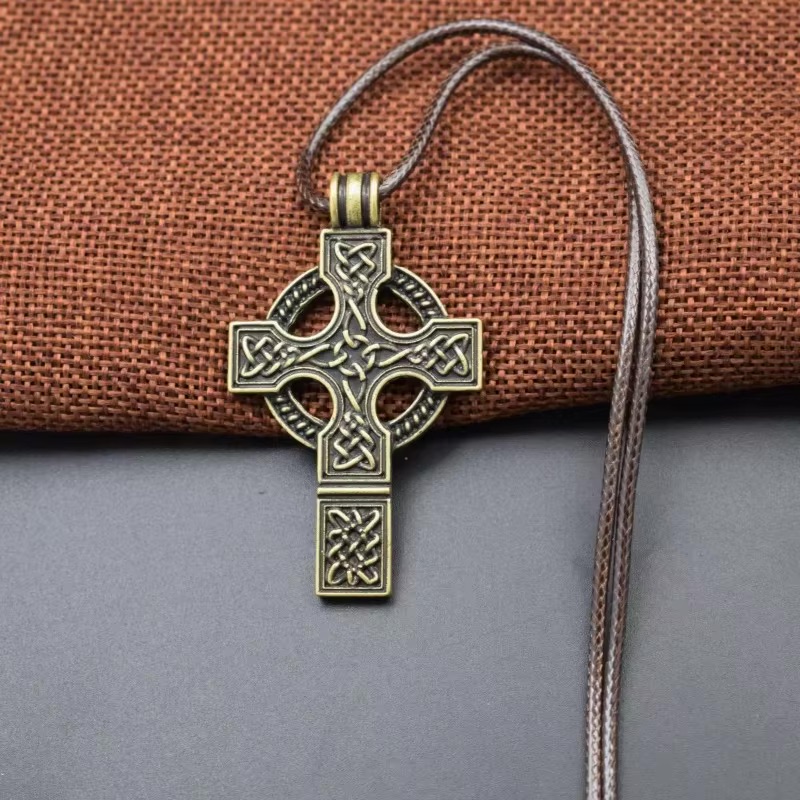
The Celtic Cross is a cross featuring a circular ring that surrounds the intersection of the vertical and horizontal beams.
The symbol combines:
- traditional Christian imagery
- ancient Celtic symbolism
- spiritual meaning
- medieval artistic design
Celtic Crosses are commonly found throughout:
- Ireland
- Scotland
- Wales
- ancient churches
- cemeteries
- stone monuments
- jewelry
- illuminated manuscripts
The distinctive circular ring is what separates the Celtic Cross from traditional Christian crosses.
The Meaning of the Celtic Cross
Over the centuries, the Celtic Cross has developed many symbolic meanings.
Common interpretations include:
- eternity
- divine protection
- eternal life
- unity between heaven and earth
- spiritual balance
- faith and heritage
The circle surrounding the cross is often believed to symbolize:
- the eternal cycle of life
- the sun
- divine unity
- everlasting love
- spiritual wholeness
Because of its deep symbolism, many people wear Celtic Cross jewelry as both a spiritual symbol and a connection to Celtic ancestry.
The History of the Celtic Cross
The origins of the Celtic Cross remain debated among historians, but most believe the symbol became prominent during the early Middle Ages in Ireland and surrounding Celtic regions.
Large stone Celtic Crosses were often erected near:
- monasteries
- churches
- sacred sites
- gathering places
These carved crosses frequently featured:
- knotwork
- biblical imagery
- spirals
- interwoven Celtic designs
Many ancient Celtic Crosses still stand today and are considered some of the finest examples of medieval Celtic craftsmanship.
The spread of Christianity throughout Celtic lands helped transform the Celtic Cross into both a religious and cultural symbol.
Celtic Knots and Cross Symbolism
One of the most fascinating features of many Celtic Crosses is the use of interwoven Celtic knots.
These endless knot patterns symbolize:
- eternity
- interconnectedness
- spiritual continuity
- life without beginning or end
You can learn more about Celtic knot symbolism in:
- Learning About Celtic Knots: Meanings, History & Symbolism
- The Trinity Knot Meaning: History, Symbolism & The Power of the Triquetra
These interconnected articles help build strong topical authority for Celtic symbolism and jewelry.
Celtic Cross Jewelry Meaning
Today, Celtic Cross necklaces and rings remain popular because they combine:
- ancient symbolism
- spiritual meaning
- medieval aesthetics
- gothic style
- Celtic heritage
Many people wear Celtic Cross jewelry to represent:
- personal faith
- protection
- ancestry
- strength
- eternal connection
The bold artistic design also fits naturally within gothic and Viking-inspired fashion styles.
Explore more medieval and Norse-inspired accessories through the:
Celtic Crosses in Gothic & Viking Fashion
Modern gothic fashion often embraces ancient symbols because of their mysterious and timeless appearance.
The Celtic Cross pairs naturally with:
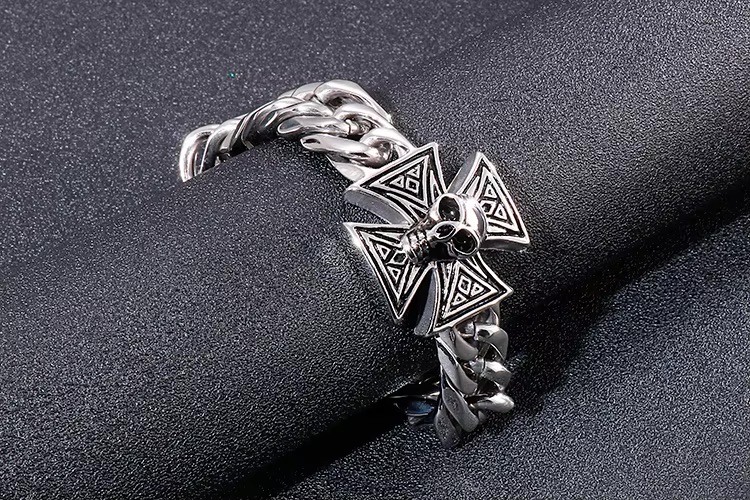
- skull jewelry
- dragon pendants
- leather bracelets
- Viking accessories
- fantasy-inspired fashion
- medieval aesthetics
Its detailed craftsmanship and spiritual symbolism make it especially popular among fans of:
- dark fantasy
- Norse mythology
- Celtic heritage
- alternative fashion
At There Be Skulls, Celtic-inspired designs are combined with gothic and Viking influences to create bold statement jewelry.
The Difference Between Celtic Crosses and Traditional Crosses
While both symbols represent Christianity for many people, the Celtic Cross includes unique artistic and symbolic elements that separate it from standard Christian crosses.
Key differences include:
- circular ring design
- Celtic knotwork
- ancient pagan influences
- medieval craftsmanship
- Irish and Scottish cultural roots
The Celtic Cross often feels more connected to:
- Celtic identity
- ancient spirituality
- medieval history
- artistic symbolism
This rich combination of meanings helps explain why the Celtic Cross remains such an enduring symbol today.
Why Celtic Cross Symbolism Still Matters Today
The Celtic Cross has survived for centuries because it represents something timeless. Its combination of spirituality, history, art, and symbolism continues to resonate across cultures and generations.
For some, it represents:
- faith
- ancestry
- eternal life
- protection
- inner strength
For others, it serves as a powerful gothic or medieval fashion statement inspired by Celtic history and mythology.
Whether worn as jewelry, displayed as artwork, or admired for its craftsmanship, the Celtic Cross remains one of the most meaningful symbols in Celtic culture.
Explore Celtic & Gothic Jewelry
If you enjoy Celtic symbolism, Viking-inspired art, gothic fashion, and alternative accessories, explore:
Discover jewelry and accessories inspired by mythology, ancient symbolism, medieval craftsmanship, and timeless alternative fashion.